

“What do we learn that we can use in these times of darkness? Something very simple. We are not alone, and we never have been.”
— excerpted from Ignatieff, M. (2021). On consolation: Finding solace in dark times. Henry Holt and Company.
“What do we learn that we can use in these times of darkness? Something very simple. We are not alone, and we never have been.”
— excerpted from Ignatieff, M. (2021). On consolation: Finding solace in dark times. Henry Holt and Company.

“It’s going to behoove us to really pay attention to how [the use of artificial intelligence for dream interpretation] develops and differentiate between what is the strict pattern recognition component, which computers are just going to be better at than us, and that other component that is more psyche, more creative, the more soul side. That, in my opinion, is where healing comes from. I don’t think that working extensively with an AI model on dream interpretation gives you the kind of healing that a therapeutic relationship does. A therapeutic relationship seems like it’s about remodeling or adapting the way you relate to another human in better and more holistic ways.
“It’s my hope that it becomes clearer and clearer to us the value of humans’ ability, and certain humans’ ability, to do that kind of thing. But in the meantime, my perspective is that there are, for example in the U.S., only 6,000 to 9,000 Jungian-trained analysts in a population of 300 million. There just aren’t enough. My thought is, I want to get more people engaged with dreams, with these ideas, with the unconscious.”
— excerpted from Stewart, D., Marchiano, L., & Lee, J. (2024, June 20). John Temple: Does AI dream interpretation really work? – This Jungian Life [Streaming]. https://thisjungianlife.com/ai-dream-interpretation/
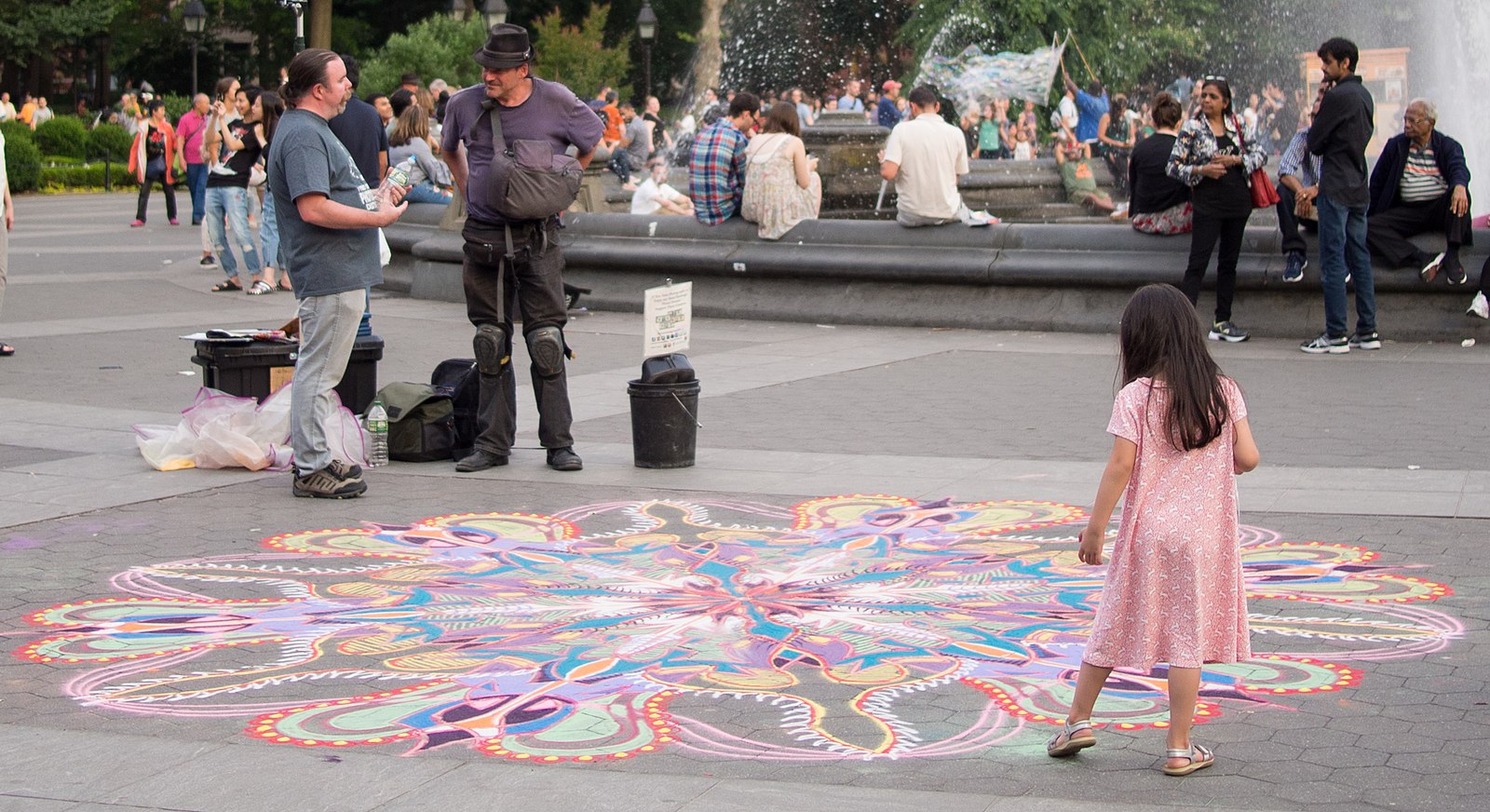
“There has been a recent resurgence of interest in the unconscious by relational [psychoanalytic] theorists, as exemplified in the work of…James Grotstein and Michael Eigen as well as some of Stephen Mitchell’s later writing. But the picture of the unconscious that emerges from these authors is a different one from Freud’s unconscious and from the writing of many European analysts. The unconscious that emerges in these writings is one that is creative and generative, rather than one that is dangerous or destructive. And the emphasis of these authors is on harnessing unconscious forces or being guided by them, rather than taming or modulating them.”
— from Safran, J.D. (2006, p. 394). The relational unconscious, the enchanted interior, and the return of the repressed. Contemporary Psychoanalysis, 42: 393-412.
 Matthew M. Sholler, Psy.D.
.jpg)